If you’re planning a six-figure renovation in Atlanta, the single most important thing you can ask a contractor isn’t “how much” or “how long.” It’s this: “How will you document the work?”
The answer separates the contractors you should hire from the ones you shouldn’t.
The Problem Nobody Talks About Until It’s Too Late
Most renovation horror stories don’t start with bad workmanship. They start with bad memory.
Six months after a gut renovation, the homeowner notices a small crack in the drywall above a doorway. They call the contractor. The contractor says it’s normal settling. The homeowner asks what’s behind the wall. Nobody remembers.
Or worse: the homeowner sells the house two years later. The buyer’s inspector flags the addition. Was it permitted? Was the framing inspected? Was the electrical pulled to code? Nobody can prove anything.
This isn’t a hypothetical. This is what happens when contractors treat documentation as an afterthought instead of a deliverable.
What Real Job Documentation Looks Like
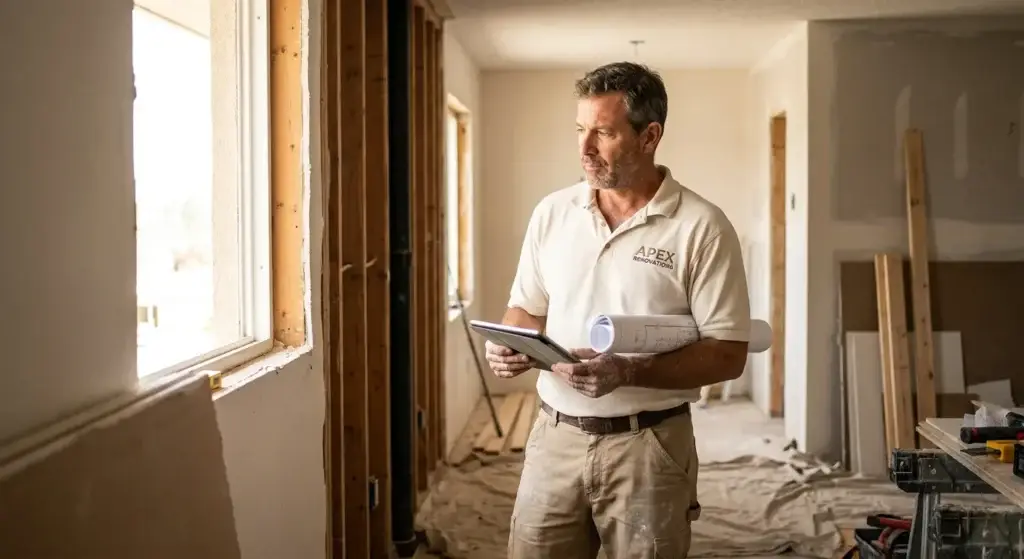
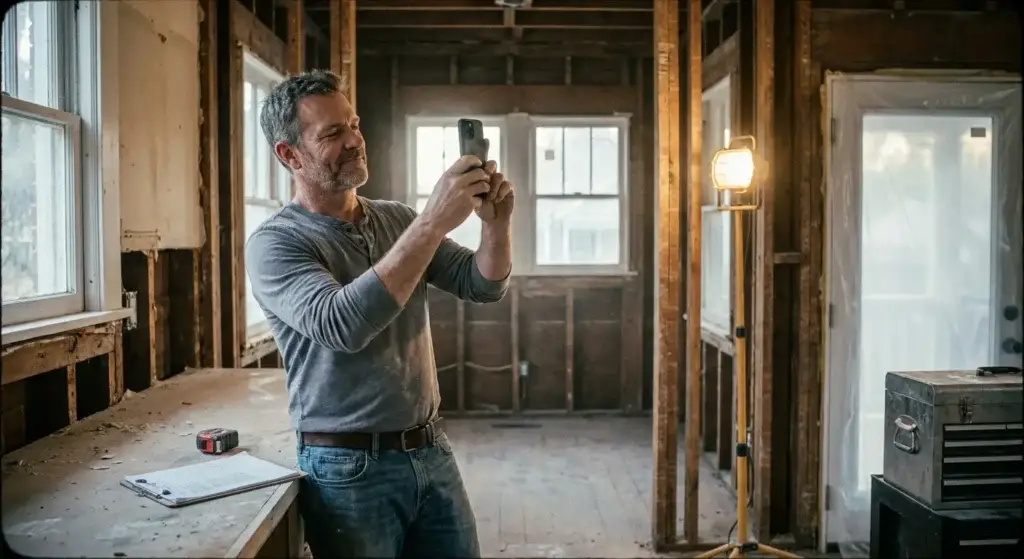
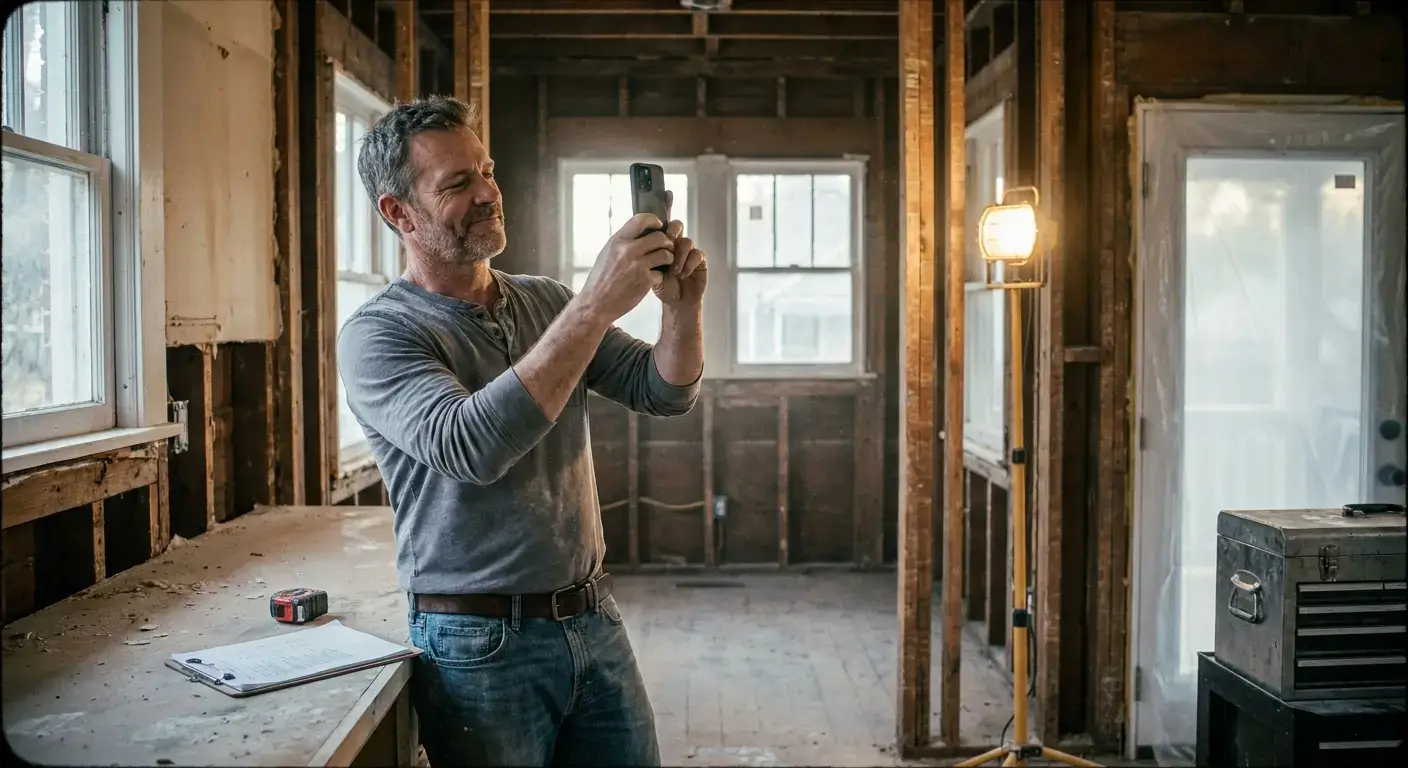
At 345 CARES, every job site gets photographed every day. Not by a marketing team. By the crew. Every photo is timestamped, geotagged, and tied to the project file.
The homeowner sees them in real time. So when we’re three weeks into a kitchen remodel and a question comes up about the original plumbing layout, we don’t argue. We open the file. Photo from week one. There’s the answer.
Here’s what should be documented on any serious renovation:
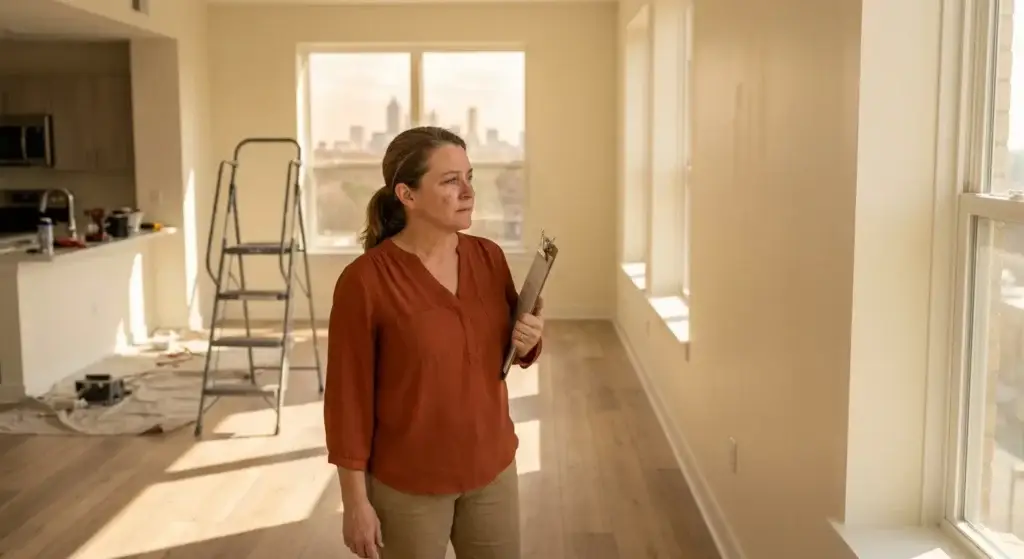
- Pre-demo conditions. What did every room look like before we touched it? This protects you and us.
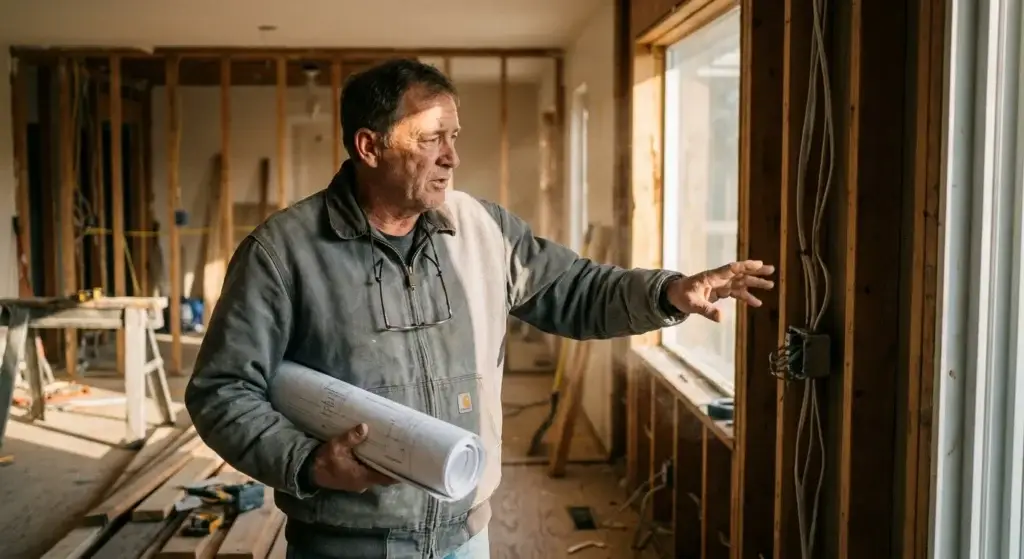
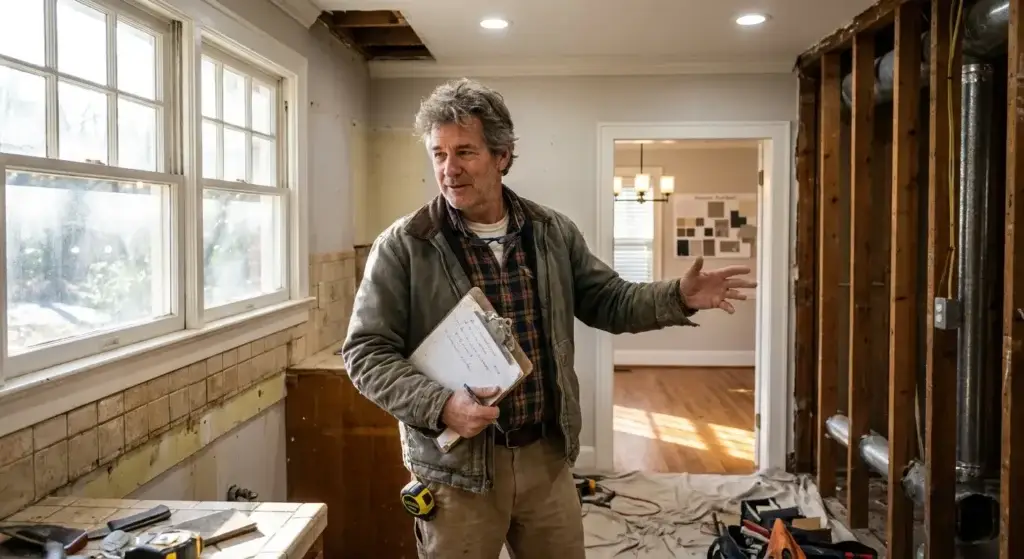
- Demo phase. What was behind the drywall? Knob-and-tube wiring? Galvanized plumbing? Termite damage in the framing? You should have photos of all of it.
- Rough mechanicals. Plumbing, electrical, HVAC: every run, every connection, photographed before the walls close up.
- Inspections. Every passed inspection should have a photo of the inspector’s tag and the work they signed off on.
- Finish work. Tile substrates before tile, paint prep before paint, cabinet anchoring before doors hang.
- Final walkthrough. Every room, every angle, on the day you take the keys back.
Why This Matters More on a High-Ticket Build
The math is simple. A $25,000 kitchen has limited downside. A $500,000 whole-home renovation has six-figure downside if something goes wrong and nobody has proof.
On a high-ticket build, you’re not just buying construction. You’re buying a permanent record. Future inspections, future sales, future insurance claims, future remodels: they all benefit from a complete photo archive of what’s behind your walls.
That’s why we treat documentation as a deliverable, not a courtesy. The homeowner gets a downloadable archive at job close. They own it forever.
What to Ask Every Atlanta Contractor Before You Sign
If you’re interviewing renovation contractors in Atlanta right now, ask three questions:
- “Do you document every job-site visit with photos?” If the answer is “sometimes” or “for marketing,” that’s a no.
- “Can I see real-time photos of a job in progress right now?” If they can’t show you a job that’s currently mid-build, they’re not documenting.
- “Do I get to keep the photo archive when the job is done?” This is the test. If it’s their photos and their archive, that’s not transparency. That’s just marketing.
The right answers: yes, yes, and yes.
A Few Things Documentation Won’t Fix
To be fair: photos don’t make a bad contractor good. They don’t make a tight schedule realistic. They don’t make a low bid honest.
What they do is force everyone, the contractor, the crew, the trades, and the homeowner, to be honest about what’s actually happening on the job. That alone changes how the job gets run.
Crews behave differently when they know every step is documented. Subs install to spec when they know the photo will be in the file. Change orders get explained with photo context instead of vague language on an invoice.
The Bottom Line for Atlanta Homeowners
If you’re about to spend $100,000 or $1,000,000 on a renovation, the documentation is part of what you’re paying for. Treat it that way.
At 345 CARES, every Atlanta gut renovation and addition we run is documented from Day 1 to handover. The homeowner sees everything in real time. The archive is yours when the job closes.
If you’re planning a project and you want to see what real documentation looks like on a live job site, that’s the first thing we’ll show you on a discovery call.