Choosing the right multifamily renovation contractor in Atlanta is the single decision that determines whether your unit turns finish on schedule, your CapEx budget holds, and your asset manager gets the paperwork the lender actually wants. Property managers running multifamily portfolios do not get graded on how nice a contractor was to work with. They get graded on schedule, budget, and inspection results. Everything below is written for that reality.
If you are vetting general contractors for a unit turn program, a CapEx scope, or a full-building repositioning, this is what to look for and what to ask before signing.
Why a Multifamily Renovation Contractor Is Not the Same as a Residential GC
A residential GC builds a house or renovates one home at a time for a homeowner who is emotionally invested and physically present. A multifamily contractor renovates 40 units on a rolling turn schedule for an asset manager who reviews progress in a spreadsheet from another state. The workflows, paperwork, and accountability structures are completely different.
Here is what separates the two in practice:
- Turn cadence. Multifamily work is repetitive and volume-driven. A residential GC optimized for custom finishes will struggle to hit a 5-day turn on 20 units back to back.
- Reporting. Property managers need weekly progress reporting, photo documentation, and change-order tracking that ties back to a rent-ready date. Residential builders rarely produce this format.
- Insurance and bonding. Multifamily owners, lenders, and insurance carriers require specific coverage limits and additional-insured endorsements before a contractor sets foot on site.
- Occupied-property protocols. Renovating around residents requires noise windows, dust containment, tenant notice procedures, and liability management no single-family GC has to think about.
- ADA and code familiarity. Multifamily assets carry ongoing ADA compliance obligations. A GC who has never done a common-area retrofit will miss items an inspector will not.
When you interview a multifamily renovation contractor, the first filter is simple. Do they talk about unit-per-week throughput, occupied-property logistics, and lender paperwork? Or do they talk about finishes and design consultations? The first group is built for your job. The second group is not.
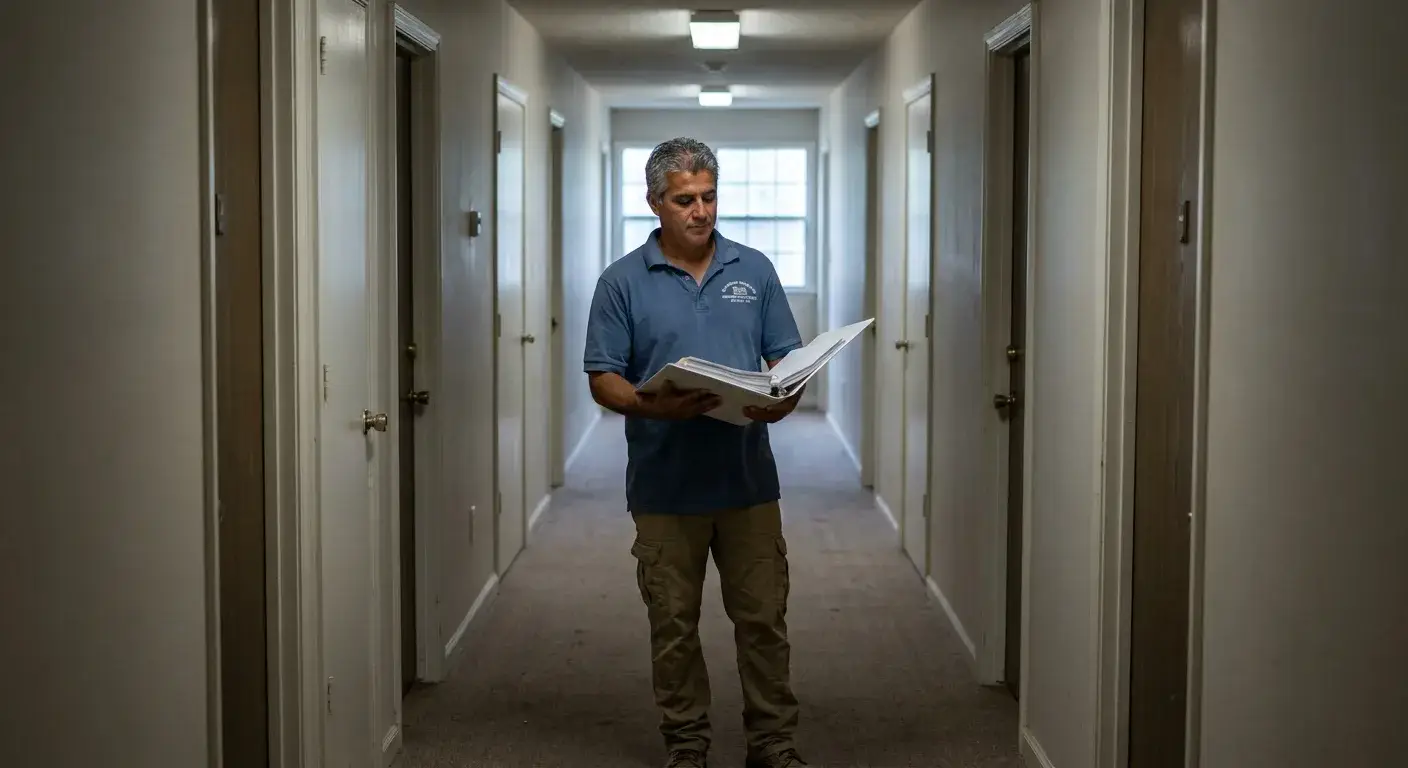
What Property Managers Should Look For in a Multifamily Renovation Contractor
Vetting a contractor is not about who has the flashiest website. It is about who can hand you a clean set of documents on day one and hit the schedule they promised. Here is the checklist we would give to any PM or asset manager hiring in metro Atlanta.
1. Verified Licensing, Bonding, and Insurance
In Georgia, a general contractor performing commercial or multifamily work above certain thresholds must hold a state-issued residential-basic, residential-light-commercial, or general contractor license through the Georgia State Licensing Board for Residential and General Contractors. You can verify any license status directly on the Georgia Secretary of State licensing portal. Ask for the license number and check it yourself.
Beyond licensing, require:
- General liability insurance with minimum $2M per occurrence
- Workers compensation coverage on every crew, including subs
- Surety bonding for the scope value
- Auto liability for job-site vehicles
- Additional-insured endorsements naming the ownership entity and property manager
If a contractor cannot email these certificates within 24 hours of your request, they are not set up for multifamily work.
2. A Documented Scope Walkthrough Process
The best predictor of a clean project is what happens before contracts are signed. Ask the contractor to describe their scope walkthrough. Do they walk the units, document conditions with dated photos, flag inspection items, and produce a written scope before quoting? Or do they send a two-page estimate off a phone call?
A scope walkthrough that flags ADA items, code updates, and hidden conditions up front is what prevents change orders from wrecking your CapEx budget three months in.

3. Fixed Timelines and Written Change-Order Procedures
Time is money on multifamily. Every day a unit is offline is lost rent. Your contractor should hand you a written timeline broken by phase, tied to milestones an asset manager can track. They should also hand you a written change-order procedure that says exactly how out-of-scope work gets priced, approved, and documented.
Verbal change orders are how CapEx programs blow past budget. Do not accept them.
4. Trade Association Membership and Local Reputation
Membership in organizations like the National Association of Home Builders, the Greater Atlanta Home Builders Association, and the Atlanta Apartment Association is a signal that a contractor is serious about the industry and accountable to peer standards. It also means they are actively engaged with the code, insurance, and lender environment their multifamily clients live in.
Ask which associations they belong to and how long. Membership longevity says something a shiny website cannot.
5. A Track Record on Comparable Scopes
References matter, but comparable references matter more. A contractor who has done $2M in single-family remodels is not the same as one who has turned 200 units for a REIT. Ask for two or three references on projects that match yours in unit count, occupancy status, and scope type. Then actually call them.
You can review the kind of documented multifamily and gut-renovation work a serious Atlanta contractor produces on a full project portfolio. That is the level of documentation you want to see from anyone bidding your work.
How to Vet a Contractor Specifically for a CapEx Program
CapEx programs are different from one-off renovations. You are handing a contractor a multi-property, multi-year scope with rolling activation. The vetting bar is higher.
Ask these questions:
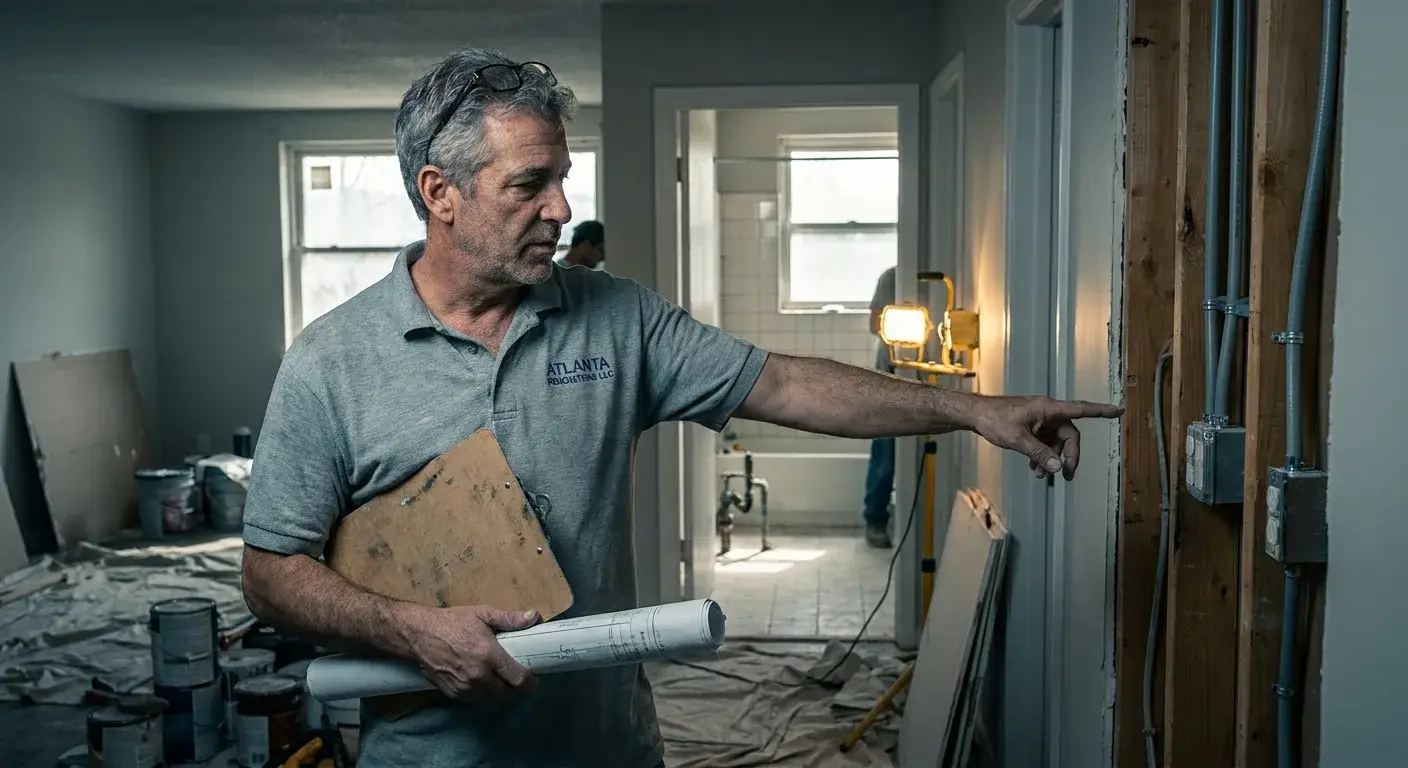
- Can you produce weekly per-property reporting on progress, budget, and change orders?
- How do you handle simultaneous scopes across two or more properties?
- What is your process for tenant notification and occupied-unit work?
- How do you document completion so it satisfies our lender and our insurance carrier?
- Can you provide a single point of contact who owns the entire program, not just individual projects?
A contractor built for CapEx will have straight answers to all five. One built for one-off jobs will fumble at least three. For the specific paperwork, reporting cadence, and program structure we use on portfolio work, our CapEx contractor process in Atlanta walks through it in detail.
ADA Compliance Is Not Optional. Your Contractor Should Know That.
Every multifamily property has ongoing ADA obligations for common areas, leasing offices, accessible units, and site paths of travel. When you renovate, you often trigger accessibility requirements that were grandfathered before. A contractor who has never done ADA retrofits will miss requirements that will surface in an inspection or, worse, in a complaint.
Ask any bidder how they handle ADA scoping. A qualified multifamily renovation contractor will have a documented approach to identifying and pricing ADA items before construction starts, not after an inspector flags them.
The Bottom Line for Property Managers
The right multifamily renovation contractor is the one who makes your job easier, not the one with the lowest bid. That means licensing you can verify, insurance certificates you can hand to your carrier, a written scope that catches problems before they become change orders, a timeline that maps to your rent-ready date, and reporting your asset manager can read without calling you.
If you are running a CapEx program, planning tenant turns, or scoping a full-building repositioning in metro Atlanta, put every bidder against this checklist. The ones built for repeat multifamily work will pass it. The ones who are not will fail on the second question.
Vet carefully once. Then work with the contractor you trust for the next three properties, not the next three bids.