If you’re about to spend $250,000 or more on a full-gut renovation in Atlanta, the contractor you pick matters more than the finishes you pick. The wrong contractor turns a 90-day project into a 7-month nightmare with $80,000 in change orders. The right one delivers on time, on scope, and documents every step so you actually know what you’re paying for.
Here’s how to vet one before you sign.
1. Ask to See Real Photo Documentation From Recent Jobs
Not staged Instagram shots. Not the one “after” photo on their website homepage. Ask to see a complete project journal: demo day, framing, rough-in, drywall, finish, walk-through. If the contractor uses CompanyCam, BuilderTrend, or a similar field-documentation tool, they can pull this up on their phone in 30 seconds.
If they can’t show you that level of documentation on their recent jobs, that’s a signal. Either they’re not documenting their work, or they don’t want you to see what their job sites actually look like. Either way, it’s a problem on a project this size.
What good documentation looks like: timestamped photos every day, organized by project, accessible to the homeowner during the build. You should be able to check in from your office on Tuesday and see what your house looked like at 2pm Monday.
2. Look at the Estimate Format
Cheap contractors write three-line estimates. “Kitchen renovation: $85,000. Bathroom: $42,000. Whole-house paint: $18,000.” That’s not an estimate. That’s a wish.
A real estimate for a full-gut renovation in Atlanta in 2026 should show line items. Not every nail, but every major scope: demo and haul-off, framing labor, framing materials, electrical rough-in, electrical fixtures, plumbing rough-in, plumbing fixtures, HVAC scope, drywall, paint, cabinetry, countertops, tile labor, tile materials, finish carpentry, hardware, permits, project management, contingency. Each one priced. Each one with assumptions documented.
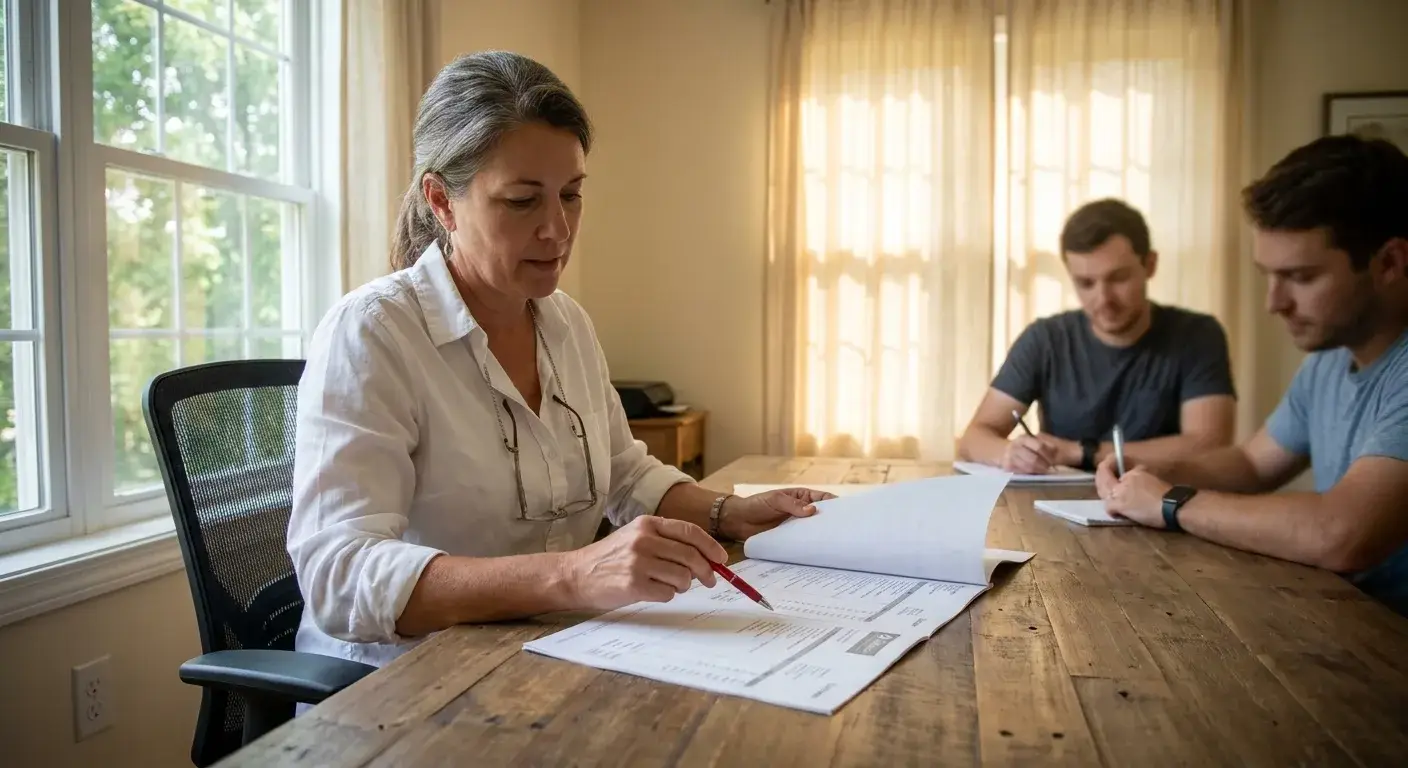
Contractors using JobTread or similar construction-management software produce this format natively. Contractors writing estimates in Microsoft Word usually don’t.
Why this matters: when a “surprise” comes up six weeks into your job, the line-item estimate tells you whether the surprise was actually in scope (and the contractor’s eating it) or genuinely out of scope (and the change order is fair). Without that documentation, every cost overrun is a fight.
3. Verify the Last Three Projects, Not the Best Three
Every contractor will give you references for their three best jobs. Those references will glow. That’s not vetting. That’s a marketing brochure with phone numbers.
Real vetting: ask for the addresses of the last three projects they completed at your scope and budget tier. Drive by. Talk to the homeowners if they’re willing. Ask the questions that matter:
- Did the project finish on time? If not, by how much was it late, and was the reason explained?
- Did the budget hold? If there were change orders, were they justified?
- How did the contractor handle the inevitable problems? Because there are always problems on a full gut.
- Would you hire them again?
The last question is the one that matters. A contractor whose recent clients would hire them again is a contractor worth signing with. One whose clients dodge the question is not.
4. Confirm Licensing, Insurance, and Workers’ Comp Specifically
Georgia requires residential contractors handling jobs over $2,500 to be licensed by the state. Verify the license number on the Secretary of State site, not just on the contractor’s business card.
For insurance, ask for the certificate of insurance directly from the insurance carrier (not a PDF the contractor emails you). Confirm general liability coverage of at least $1M, and confirm workers’ comp coverage on every employee who will be on your property. Workers’ comp matters more than most homeowners realize: if an uninsured crew member gets hurt on your property, your homeowner’s insurance becomes the target.

Bonded matters too on jobs this size. A bonded contractor has financial backing if the project goes sideways. An unbonded one might not.
5. Get the Discovery Call, Not Just the Bid
The contractors competing for your job will all want to send you a bid. The better ones will want to have a discovery call first.
A discovery call is not a sales pitch. It’s a 30-minute conversation to figure out three things: what you actually want to build, what it actually costs at current Atlanta labor and material prices, and whether the contractor is the right fit for your specific job. No estimate gets written until those three questions have honest answers.
If a contractor sends you a bid without a discovery call, they’re guessing at your scope. The bid number might be lower, but the change orders will catch up to it fast. If a contractor refuses to have a discovery call and just wants to write the bid, that’s a signal about how the whole project will run.
What This Looks Like at 345 CARES
We document every job in CompanyCam, day by day, accessible to the homeowner from anywhere. We write line-item estimates in JobTread with full assumptions, so you see what’s in and what’s out before you sign. We give you the addresses of our last three projects at your budget tier, with permission to verify. And the first conversation is always a discovery call, never a cold bid.
If you’re planning a renovation in Atlanta in 2026 and want a contractor who runs the job that way, the discovery call is the next step.